

I've been thinking about a morning I keep putting off.
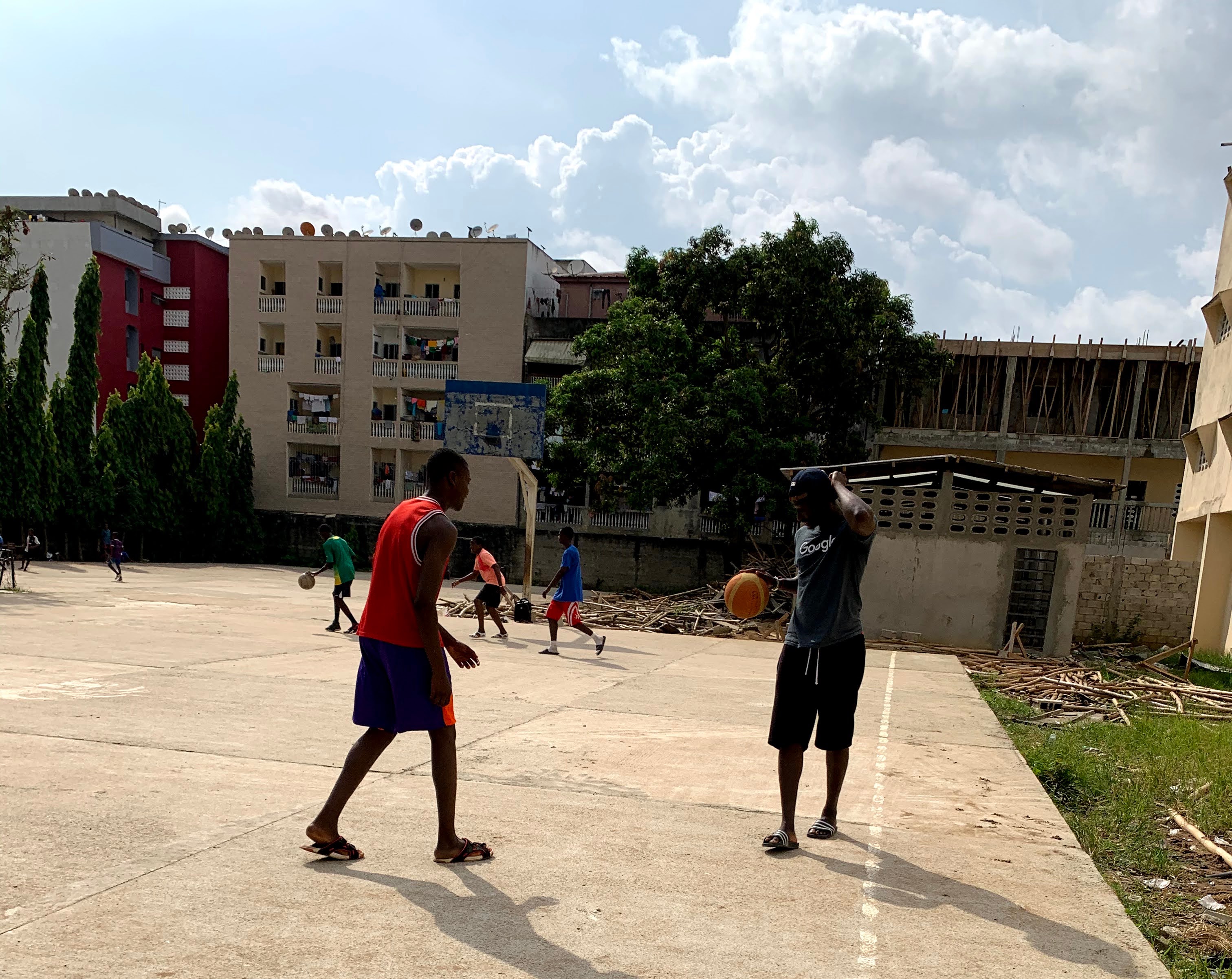
I wake up early for Tahajjud, pray Fajr, and then head out for a walk in Harlem without picking a direction. Later in the morning, I wander over to the basketball courts in Morningside Park, take a couple of jump shots, and maybe join a game or watch a pickup game without checking the time. After that, maybe stop at the juice bar to refuel and cool down.
It's actually a very simple dream. If you ask me what I'm working towards, I can go on for ages about the ideal coffee shop in Harlem or all the wonderful things I'd like to build out of Abidjan for the continent. But if you ask me what I'd do on a Tuesday if it all worked out, I want to go outside and get lost in the wind.
Most of what I'd like when I finally have enough money doesn't cost much. A quiet stroll through Central Park is free. So is handing out some buckets or just watching a pickup game. The expensive bit is actually owning my Tuesday.
I mean, today I'll pay extra for a direct flight to get half a day back, then feel weird about leaving half a day empty on my calendar. It's strange, because I'm out here spending my time chasing money, only to turn around and spend that money chasing time.
I totally get why we go for the money first. As a first-gen immigrant, when my Mom calls and I can say, Yeah, no worries, I'll put it on your account,' that really means the world to her. My Jannah is right under her feet. When you're running a business, one more contract means a few months of steady income for a lot of people working to feed their families. There's a real sense of responsibility in getting that contract. I suppose I'd call it responsibility, but it's really just my own ambition.
What I can't work out is when life will actually slow down. "After the next launch" seems like a perfectly reasonable answer until you remember that a successful launch is the very thing which gets you more work. If the company becomes what I want it to, more people will depend on me, not fewer. So I don't actually believe in that future version of me who's running a bigger company and somehow has more time for lunch.
I see why whenever a meeting gets canceled. For a few seconds, there's a whole free hour I hadn't counted on. I know I needed that break because I feel relieved when I see the cancellation. In that moment, I should be either doing Muraja'ah, taking a walk, or maybe checking in on my mom, but instead I'll open my laptop and fill the hour with more work anyway that nobody asked me to do.
Let's throw AI in there as well; why not?
Take the notes from a team call. I can use AI to pull out what we've agreed on and what we still disagree on. I then have to go through it and check it very carefully. The usual mistake is that someone says they'll look into a problem, and the AI interprets that as a promise to fix it. Once I've cleaned that up, though, the note goes out while the conversation is still fresh. That used to take up the entire hour after a meeting. Now most of that hour is back.
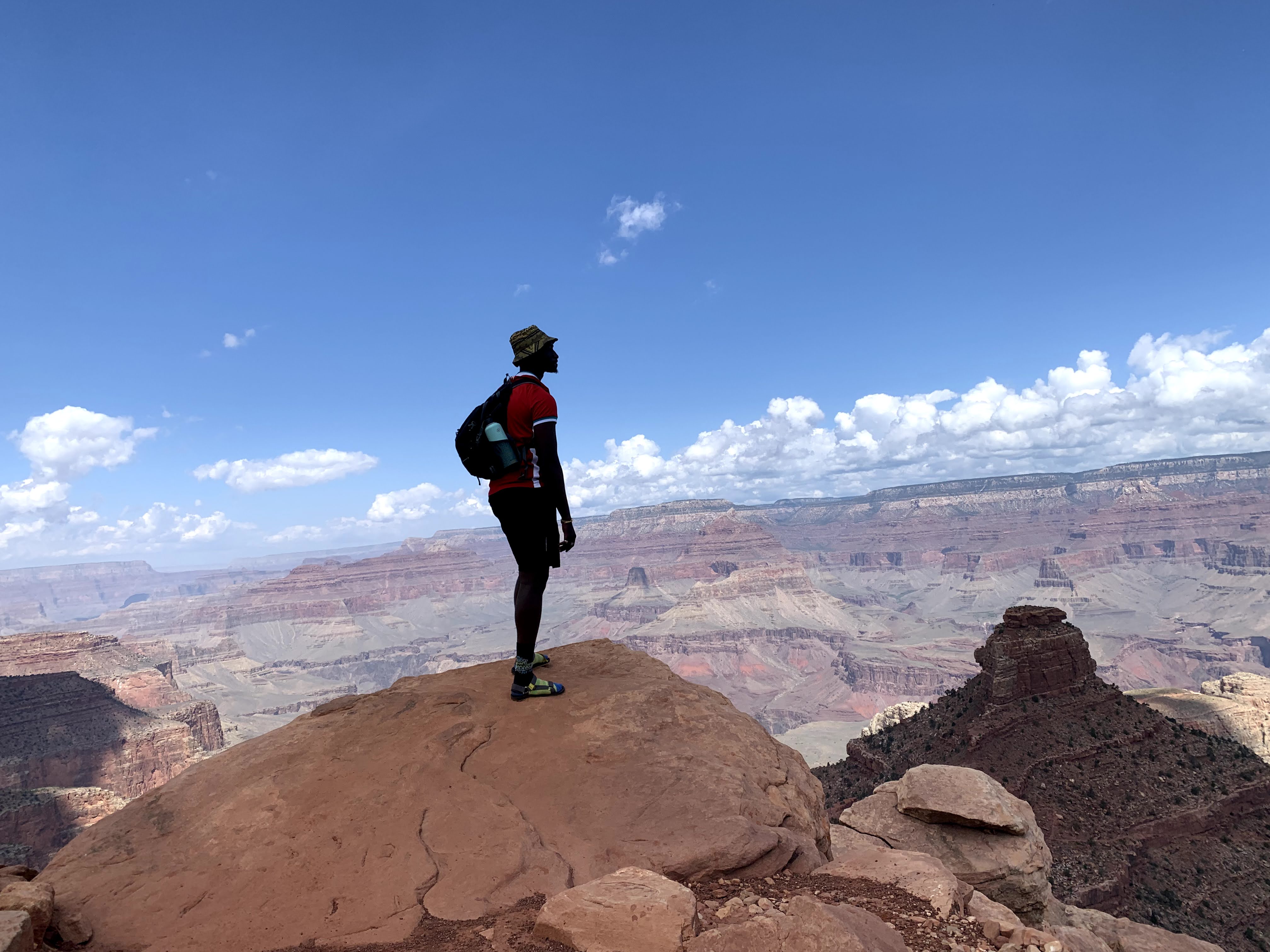
AI is giving us time that we don't know how to keep.
My real problem is that I actually enjoy building the next thing. There's always some idea I've wanted to try for weeks, and then suddenly I've got forty minutes free, and I can see if it works. That's part of what I love about working with AI. It's also how I can get twice as much done as I could a year ago and still be too busy actually to leave my desk for lunch.
It's far easier for me to see where the time I've saved goes when it's time saved for someone else.
Picture a woman running a shop in Abidjan. She goes to the kiosk/ATM to withdraw cash, and they tell her there's an issue with her account even though her account clearly shows she has funds. She messages the fintech/bank for assistance, and an AI assistant responds in seconds, telling her to go to a branch or a partner shop. From their end, the response time is great. From her end, she still has to have someone watch the shop while she takes a gbaka across town to stand in line.
Now imagine she can call a number and explain the problem to the person looking at her case. They have all the information they need to open the claim, investigate, and sort it out straight away without her having to go in at all. She knows when she'll hear from them, and she can keep the shop open that afternoon. The money still has to be sorted, but she didn't lose half a day of sales to report and sort the error.
The first one saved the bank and the fintech some time. The second one saved hers. That's the gap we're trying to close at Souba.
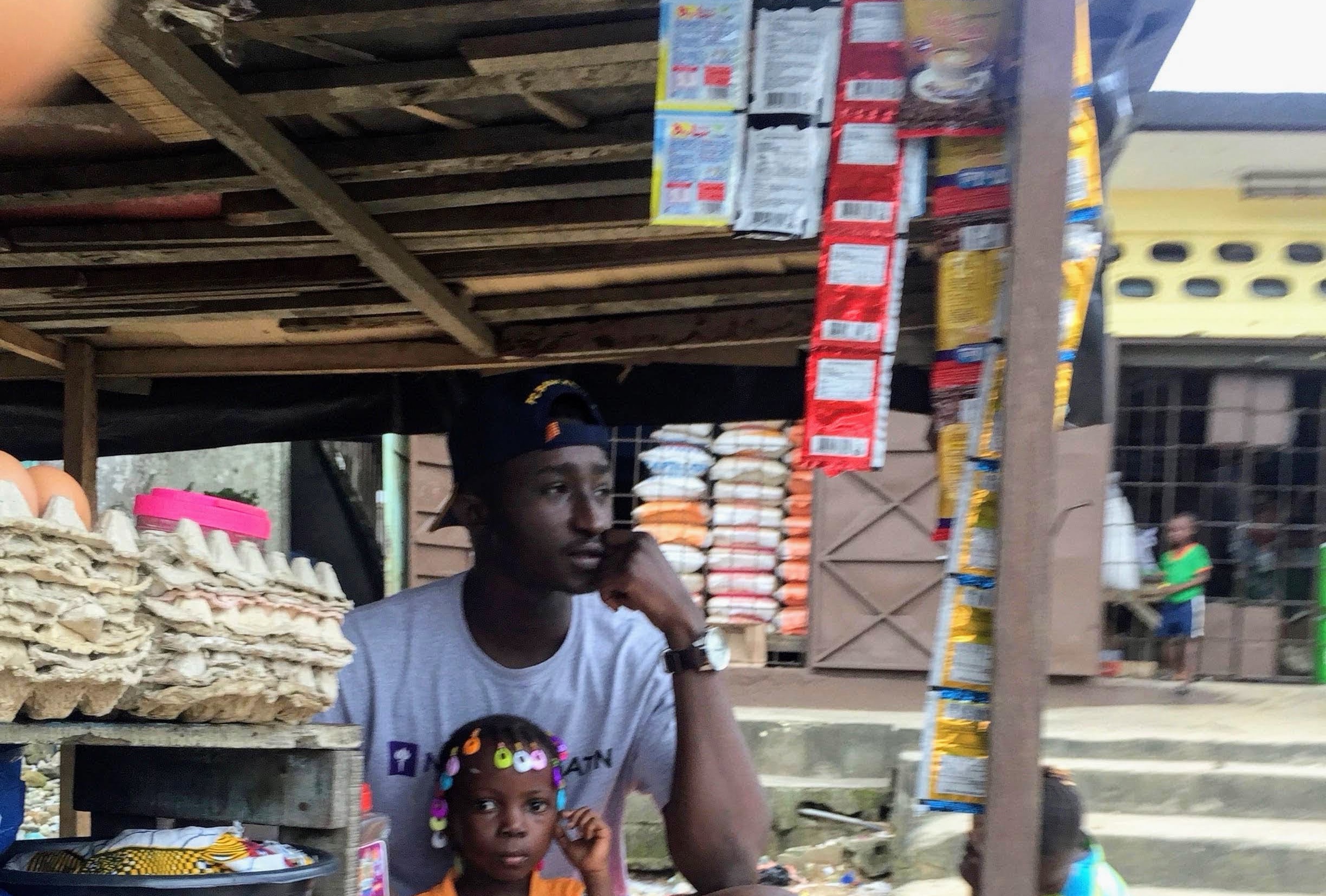
If she uses that afternoon to serve up more customers, that's fine. If she closes early to rest, that's perfectly acceptable. What she does with her time is her own business.
Getting the hour back is only half the problem, really. Keeping it is the tougher bit, as an empty hour rarely remains empty on its own.
Even when no one else is taking our free time, we manage to find ways to give it away. If work doesn't come rushing in to fill an open hour, then a phone screen will. You'll sit down for ten minutes to rest, and you'll look up an hour later, having gone through a hundred things you won't remember by Friday.
Living in New York with family back in Abidjan makes that completely obvious. It's easy to tell yourself that there will always be more of those unhurried evenings later on to call home to or to sit with the people you love without having to check the clock. Time doesn't wait for our schedules to clear.
One of the very few things that actually breaks that habit is stopping to pray. Prayer gets my hands off the keyboard whether the work is done or not.
Real wealth is time. Al-Ghazali said it far better over nine hundred years ago: your time is your life and your hours are the only real wealth you have to spend. He also warns of the man who is happy because his money is growing every day whilst completely oblivious to the fact that his life is getting shorter every day. I think about that warning more than I care to.
I'm not sure how many of those packed work weeks I'll actually remember at the end of the day. I can quite easily replay entire games of pickup basketball in much more detail than I can recall any of the meetings that I've moved my whole day around to get to. Looking at my calendar, it would seem that those meetings were the entirety of my life.
I have no idea how much money will ever be enough. What I do know is that if AI saves me an hour tomorrow, new work will fill that hour in a flash before I've even put my shoes on.
One morning soon, I'd like to close the laptop and actually go down to the park.